

Irritable Bowel Syndrome (IBS) Among Egyptians and Methods of Treatment
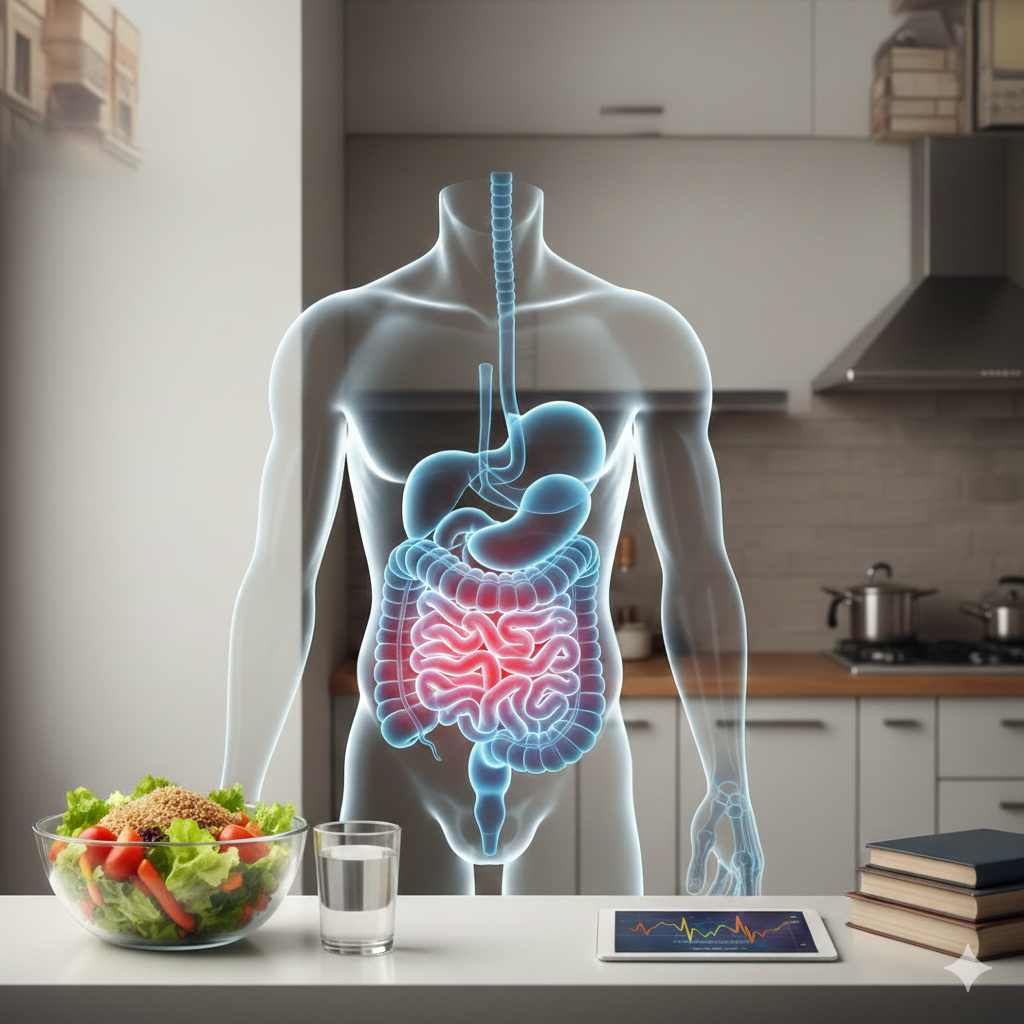
Most Egyptians suffer from irritable bowel syndrome (IBS), a condition that is widespread worldwide. Statistics indicate that more than 40% of the Egyptian population suffers from IBS. Although prevention and treatment methods are natural and accessible to everyone, the gap lies in the fact that most patients are unable to adhere to the required healthy lifestyle, which makes the suffering continue for years.
What is Irritable Bowel Syndrome?
IBS refers to an irritated and unstable colon. It is not a structural defect in the colon, but rather a functional disorder. The digestive process depends on the speed of intestinal movement responsible for transporting digested food to be turned into waste.
When this speed is disrupted, the body faces two scenarios:
- Acceleration: If intestinal movement becomes faster than normal, the time for fluid absorption decreases, leading to severe cramps, sharp pain, and diarrhea.
- Slowing: If movement slows down, food remains in the colon for a long time, causing bloating, gas, and constipation.
Neglecting the slowing condition leads to painful consequences. As waste continues to pass slowly through the colon, the intestinal wall absorbs the water in it (as a natural response of the body). The result is dried stool that becomes very hard and difficult to pass. These hard stools can injure the anal area during passage, causing secondary fissures and hemorrhoids, making bowel movements a painful experience and leading to anal fissures.
Causes of Irritable Bowel Syndrome
There is no single cause of IBS; rather, it is a combination of factors intertwined together:
- Psychological factor (stress and nervousness): The colon is considered the second brain of the human body. Individuals who suffer from severe stress and constant nervousness are more susceptible, as the nerves send disturbed signals to the intestines, causing immediate irritation when exposed to psychological pressure.
- Diet In Egypt, the problem lies in two main aspects: Irregular meals: Eating at random times disrupts the biological clock of the intestines. Type of food: Relying on fast food that lacks essential nutrients; these meals stimulate the colon and intestines, causing pain and harming both the stomach and colon.
The Salad Plate and How the Body Deals with It
To understand the importance of food, let us analyze a complete salad plate consisting of cucumber, tomatoes, lettuce, arugula, and bran.
- The body absorbs only five components, which represent the vitamin- and mineral-rich portion that provides energy and accounts for about 20%.
- The remaining 80% consists of non-absorbable fiber, which the body sends to the intestines to act as fuel for peristaltic movement, ensuring regular, abundant, and easy bowel movements.
In complete contrast, meals rich in fats, sugars, and starches are absorbed by the body at rates approaching 100%. This means there is not enough waste to stimulate the intestines, leading to sluggishness, constipation, and obesity at the same time.
Treatment of Irritable Bowel Syndrome
Treatment does not stop at taking a pill; it extends to an integrated system. Let us take a look:
- Conventional medical treatment focuses on pain relievers and nerve sedatives. However, chronic cases require specialist intervention to determine medications that regulate bowel movement and treat inflammation resulting from constipation. It is recommended to visit a specialist to identify the causes of the condition and receive the appropriate medication for each case, as symptoms and complications vary from one person to another.
- Behavioral therapy through scheduling: The intestines like routine; eat your meals at fixed times daily.
- Avoid irritants: Reduce caffeine, spicy foods, and saturated fats that cause intestinal sluggishness.
- Exercise to improve bowel function. It is also recommended to get adequate sleep, as lack of sleep increases the severity of IBS-related nervous symptoms.
- Eat small, frequent meals to facilitate digestion, in addition to drinking water regularly to avoid dehydration resulting from diarrhea, and avoid trigger foods such as spicy foods, dairy products, and processed foods.
Dr. Ali Shafik for the Treatment of Colon Disorders
If you are among the 90% who cannot adhere to natural solutions, or if you have started to experience the following complications, immediate medical consultation is necessary:
- Pain that does not respond to regular painkillers.
- An anal fissure or pain during bowel movements due to chronic constipation.
- Severe and unexplained alternation between constipation and diarrhea.
Irritable bowel syndrome is not a life sentence of pain. By committing to a healthy diet, avoiding stress, and following up with a doctor such as Dr. Ali Shafik, you can restore your digestive comfort and live free from painful limitations. Dr. Ali treats all colon diseases and disorders, manages IBS cases and their complications, such as anal fissures and chronic constipation, and develops a customized protocol for each case to ensure symptoms do not return. All you need to do is contact us and book an appointment to visit the doctor.

